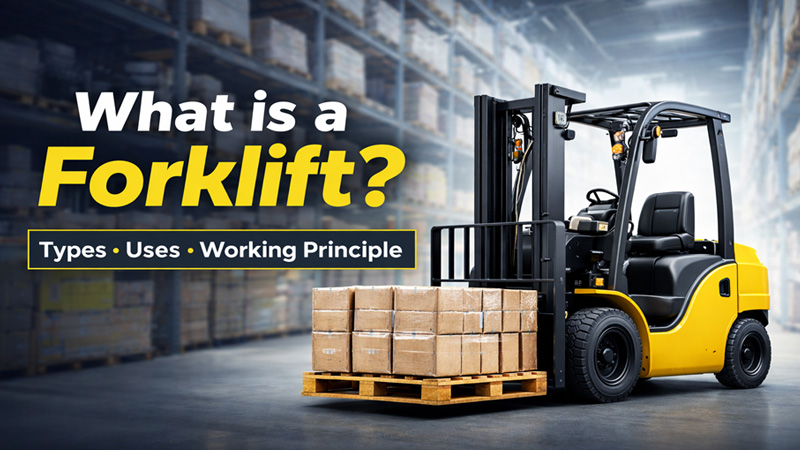
Forklifts are machines that are essential in contemporary material handling operations. They are widely
used in warehouses and logistics centers, construction sites, and production facilities to simplify,
ensure safety, and speed up the loading and movement of heavy items. These industrial trucks help
businesses reduce manual labor and enhance overall productivity. With the growing demand for efficient
material handling equipment, reliable forklift suppliers in India are playing a
crucial role in providing advanced forklifts suited for diverse industrial applications.
Through this guide, we shall discuss what is a forklift, the functioning of a forklift, mechanism of a
forklift, types of forklifts, applications and the principles of operation.
What is a Forklift?
A forklift is a motorized industrial tractor which is used to pick, transport and move
heavy materials in a short distance. It has fork-like prongs at the front of it, which slide under
pallets, crates, or industrial loads to be lifted and transported.
Electric batteries and internal combustion engines (diesel, LPG and petrol) power forklifts. The design,
load capacity and lifting height of them are changed according to industrial needs.
Main Parts of a Forklift
It is necessary to understand the components of forklifts to understand the forklift
mechanism and efficiency.
The principle of work of forklift is based on two main scientific principles:
1. Truck Frame
The forklift consists of the truck frame which forms the structural basis. It contains all the important
systems such as wheels, mast and the power unit.
2. Counterweight
At the back is the counterweight which balances the load which has been lifted at the front. This is a
very important component of the forklift mechanism which prevents forward tipping.
3. Power Source
Forklifts are driven by means of either:
Battery systems (best used indoors) Electric.
Diesel or LPG engines (appropriate to outdoor/heavy duty work).
4. Carriage
The carriage is clamped on the rails of the mast and carries the forks. During lifting, it also moves
vertically.
5. Mast Assembly
The lifting structure that is vertical is the mast. It has rails, chains and hydraulic cylinders that
allow vertical movement.
How a Forklift Works
The functioning of a forklift involves examination of the interaction between the
hydraulics, balance systems and operator controls to understand the workings of the forklift.
Upon operation of the lift control by the operator:
- A hydraulic fluid is forced into lift cylinders.
- The force causes pistons to be raised.
- The carriage is drawn up by chains attached to the pistons.
- Forks increase on the mast rails which support the load.
The lifted material is balanced at the rear counterweight, and this makes it stable. This combined lifting
design is the basis of the forklift working system.
Simply stated, forklifts are lifted by hydraulic force and mechanical advantage to lift loads safely.
Forklift Working Principle
The principle of work of forklift is based on two main scientific principles:
1. Hydraulic Principle
The hydraulic systems apply lifting force with pressurized fluid. Lifting force is large due to small
piston movement hence the forklifts are able to lift heavy loads.
2. Counterbalance Principle
A forklift is like a seesaw:
- Load acts as the front weight
- Counterweight is the counter balance.
This counterbalance mechanism is an essential component of the forklift mechanism and it
makes it stable when lifting.
Forklift Mechanism Exposition
Forklift mechanism is a combination of numerous engineering systems that collaborate:
- Hydraulic Lift Mechanism : Accomplishes the vertical fork movement by the use of cylinders
and pistons.
- Chain & Pulley System : Converts the lift height and locomotive motions into the carriage.
- Tilt Mechanism : The mast is tilted forward or backwards using hydraulic tilt cylinders to
stabilize loads.
- Steering Mechanism : Forklifts can easily steer around narrow areas such as aisles in a
warehouse because of rear-wheel steering.
- Braking System : The safety of the loads is taken care of by hydraulic or electric brakes
during transportation. The combination of these systems determines the mechanical and operationary
mechanisms of a forklift.
Types of Forklifts
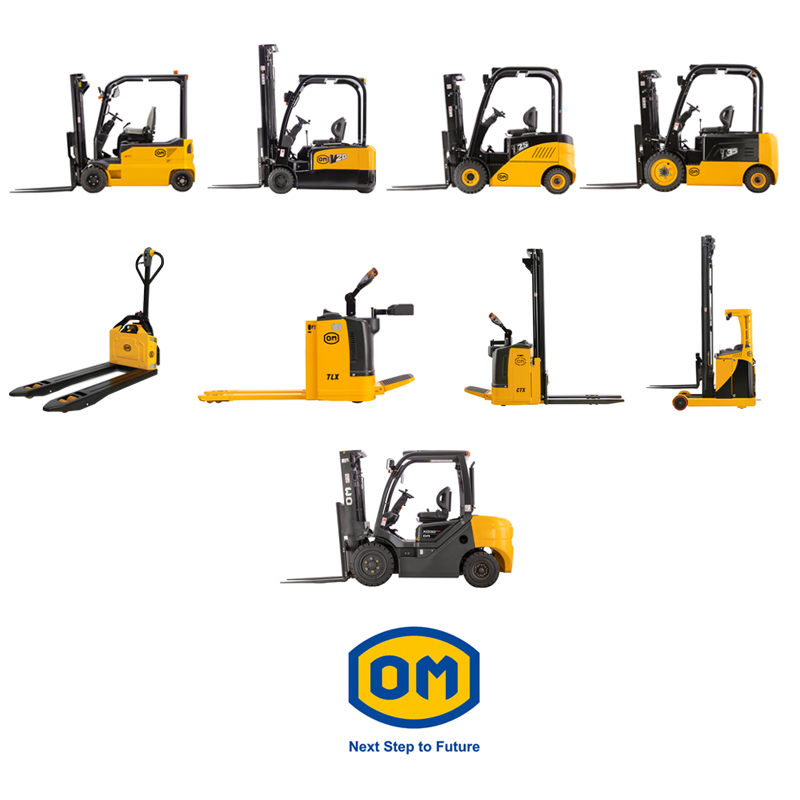
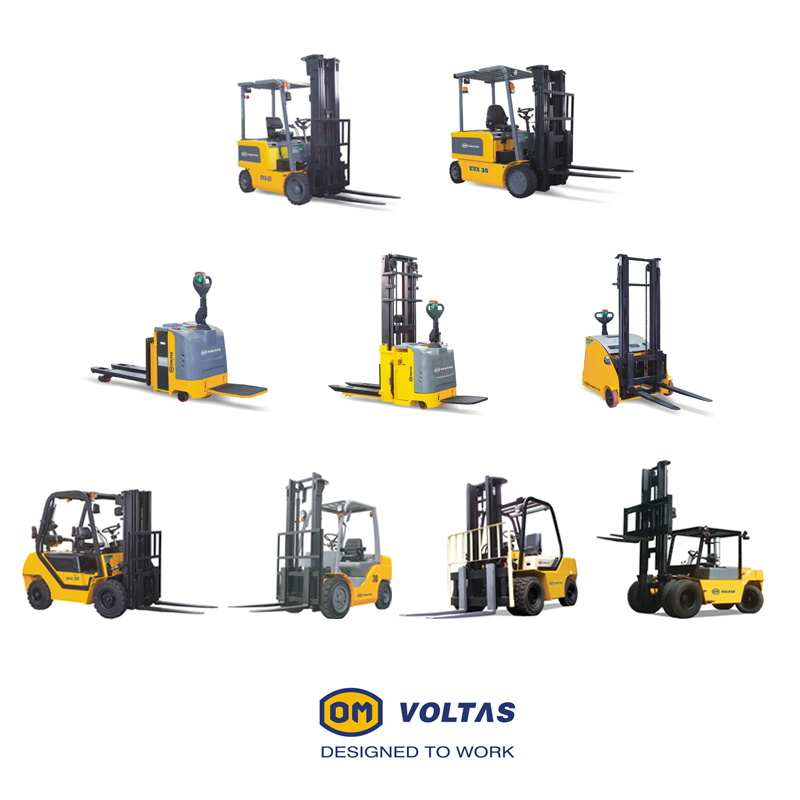
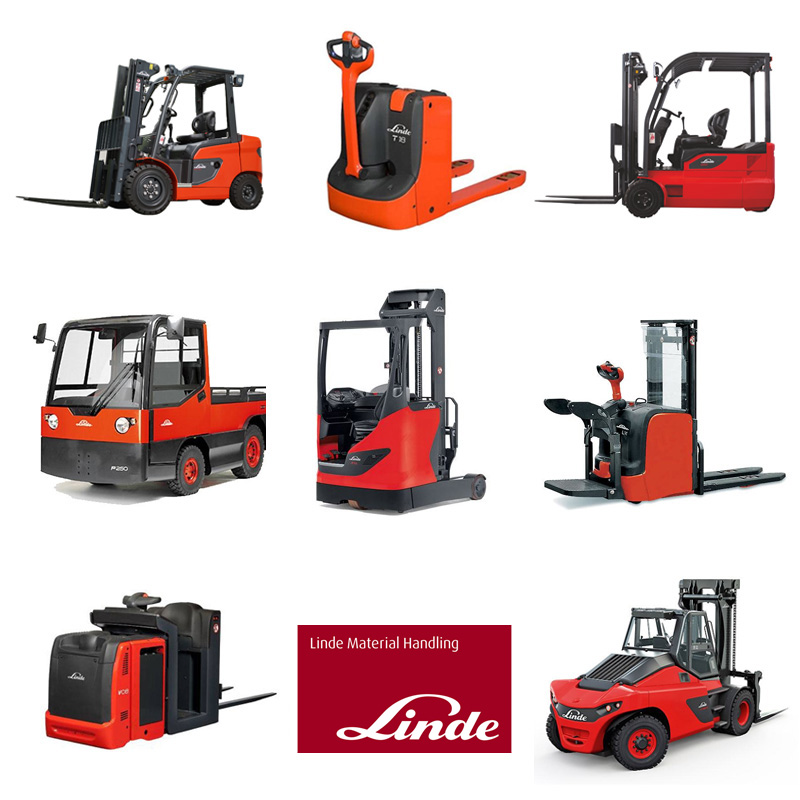
Specialized designs of forklifts are needed in different applications.
1. Counterbalance Forklift
The most prevalent in warehouses and factories.
2. Reach Truck
Constructed in a high- rack and narrow aisle.
3. Side Loader Forklift
Works with long materials, such as pipes, timber.
4. Pallet Truck
Applied in short-distance pallet movement.
5. Stacker Forklift
Small stacking machine to fill medium height pallets.
6. Rough Terrain
Forklift Constructed on the construction sites.
7. Heavy-Duty Forklift
Bear very high load capacities.
All types have similar forklift mechanisms but they differ in structure and lifting capacity.
Uses of Forklifts
The forklifts are common in the industries:
- Warehousing & logistics
- Manufacturing plants
- Construction projects
- Shipping yards & ports
- Distribution hubs in retail stores.
- Recycling operations
They are very useful and cannot be brought out when it comes to heavy lifting and
transportation.
Advantages of Forklifts
- Faster material handling
- Reduced labor dependency
- More efficient, productive warehouse.
- Enhanced load safety
- Ability to handle bulk goods
Safety measures during Forklift operation.
The knowledge of the mechanism of a forklift is also a way of enhancing safety.
- Never exceed load capacity
- Keep forks low while moving
- Ensure balanced loads
- Carry out regular maintenance.
- Only trained operators should be allowed.
Conclusion
The industrial material handling depends on forklifts. Learning about the mechanism of
forklift, working principle, and the work of forklift, business organisations may enhance the efficiency
of their operations and the safety of their working place. Forklifts remain an important part of logistics
and warehousing as well as heavy industries across the globe with several variants available according to
their uses.